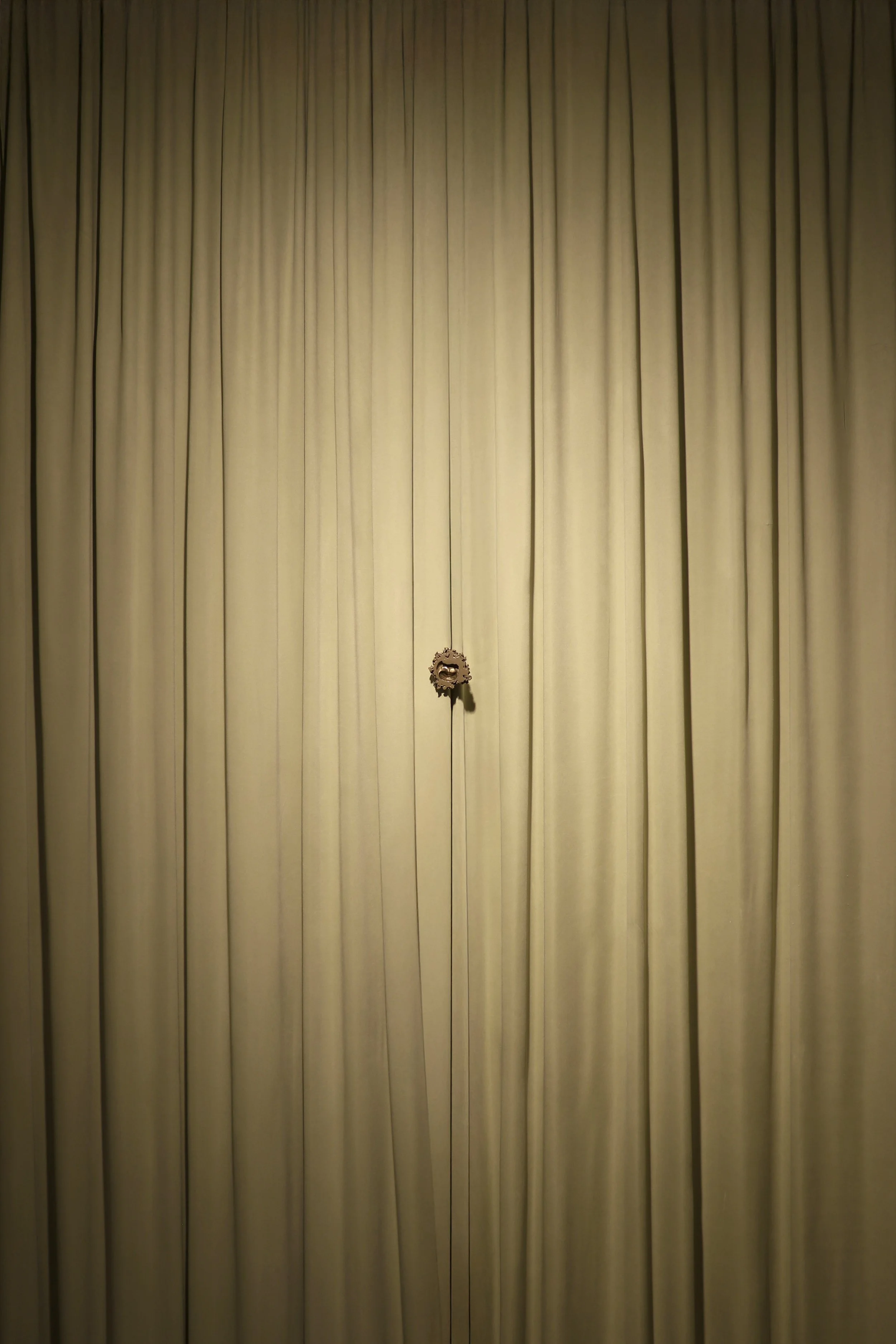
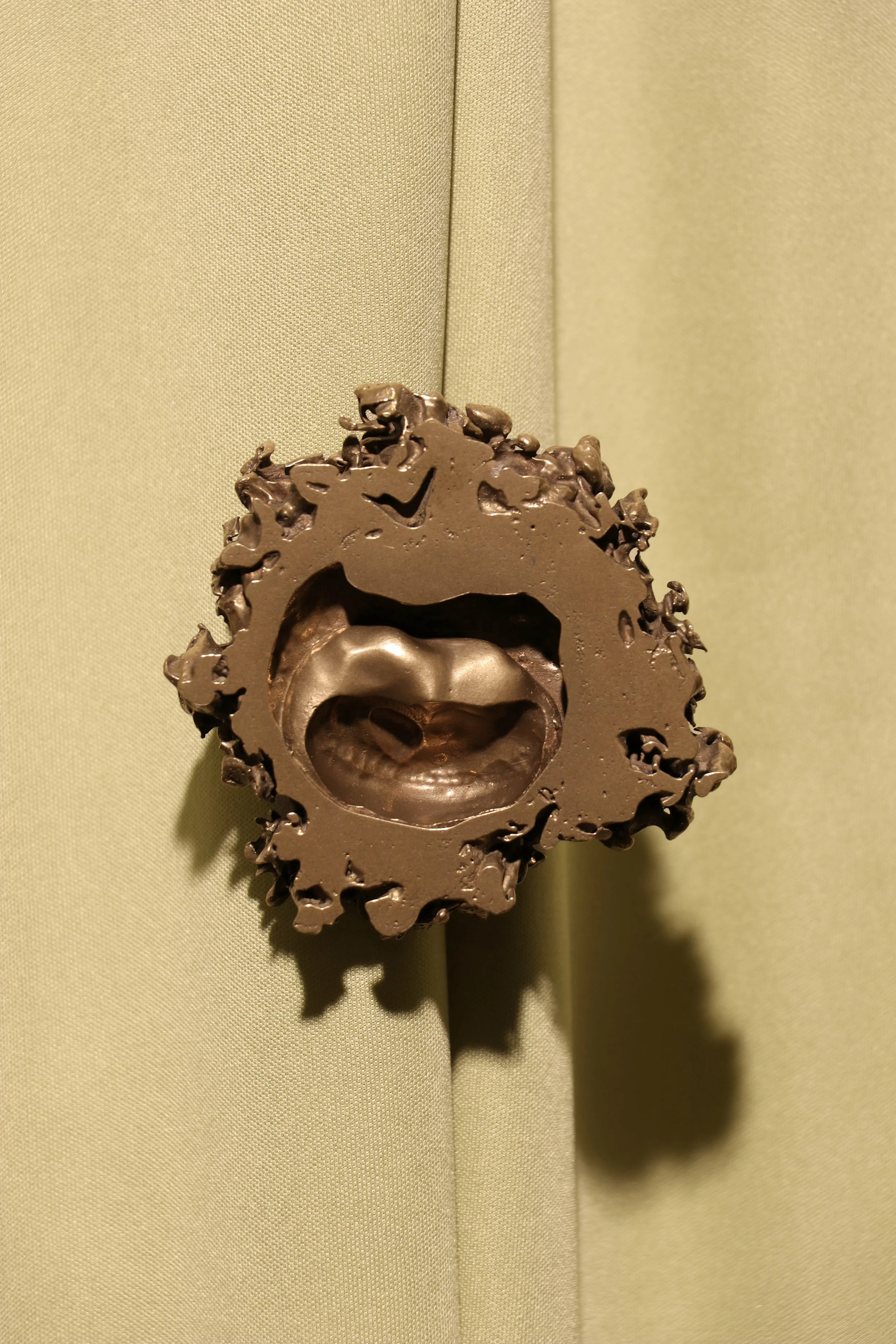
Neo Natal
2026 / Cast bronze, data from a supernova /
2” x 2” x .5”
Four years ago, Charlie Kirk (1993–2025) and comedian Ben Gleib (1978 - ) engaged in a debate: when does “life” begin? During their exchange, Gleib presented Kirk with an image of a developing dolphin, which Kirk confidently identified as a human embryo. The moment circulated widely - not because it revealed anything new about embryology, but because it exposed how easily the boundaries of “human” can blur.
Such anthropocentric views of the world affirm certainty but destabilize verity. The cellular folds of an embryo can resemble nebular debris; the cross section of a body can echo the collapse of a star. When micro and macro collapse into each other, humans lose their privileged position as the measure of all things and instead share ontological footing with organisms, objects, and astronomical remnants. What emerges is a recognition that life - however defined - may originate from places and processes far stranger than our inherited narratives allow.
Within this shifting reality, new lifeforms slowly evolve from the vestiges of earlier bodies, hybridized by forces both biological and beyond. These beginnings resist human timelines, proposing a becoming shaped as much by stellar detritus as by flesh, as much by cosmic collapse as by cellular division. In this expanded frame, present-day debates about life’s inception feel increasingly narrow, eclipsed by the possibility that life is neither singular nor stable, but continuously forming in ways we have yet to understand.