
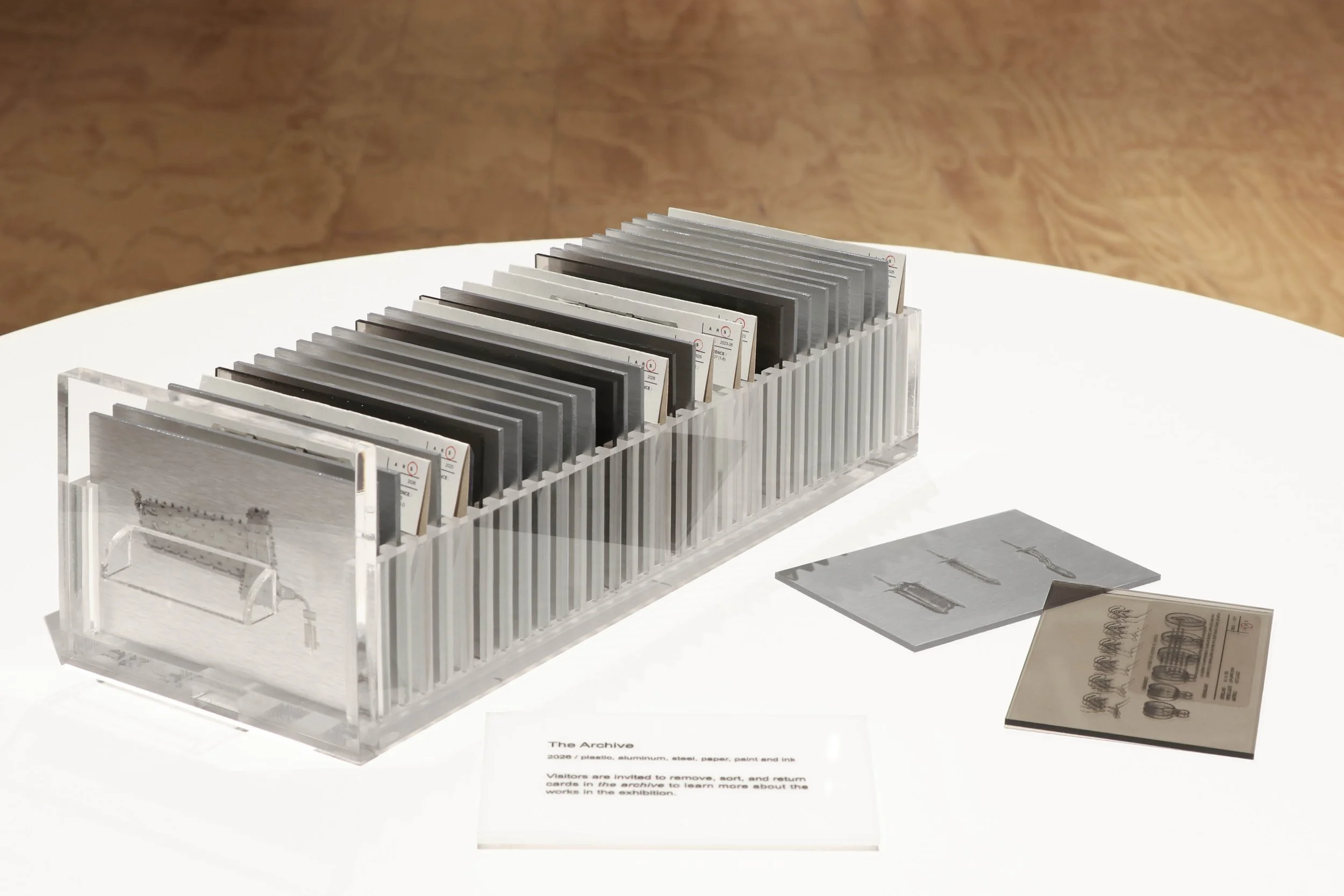
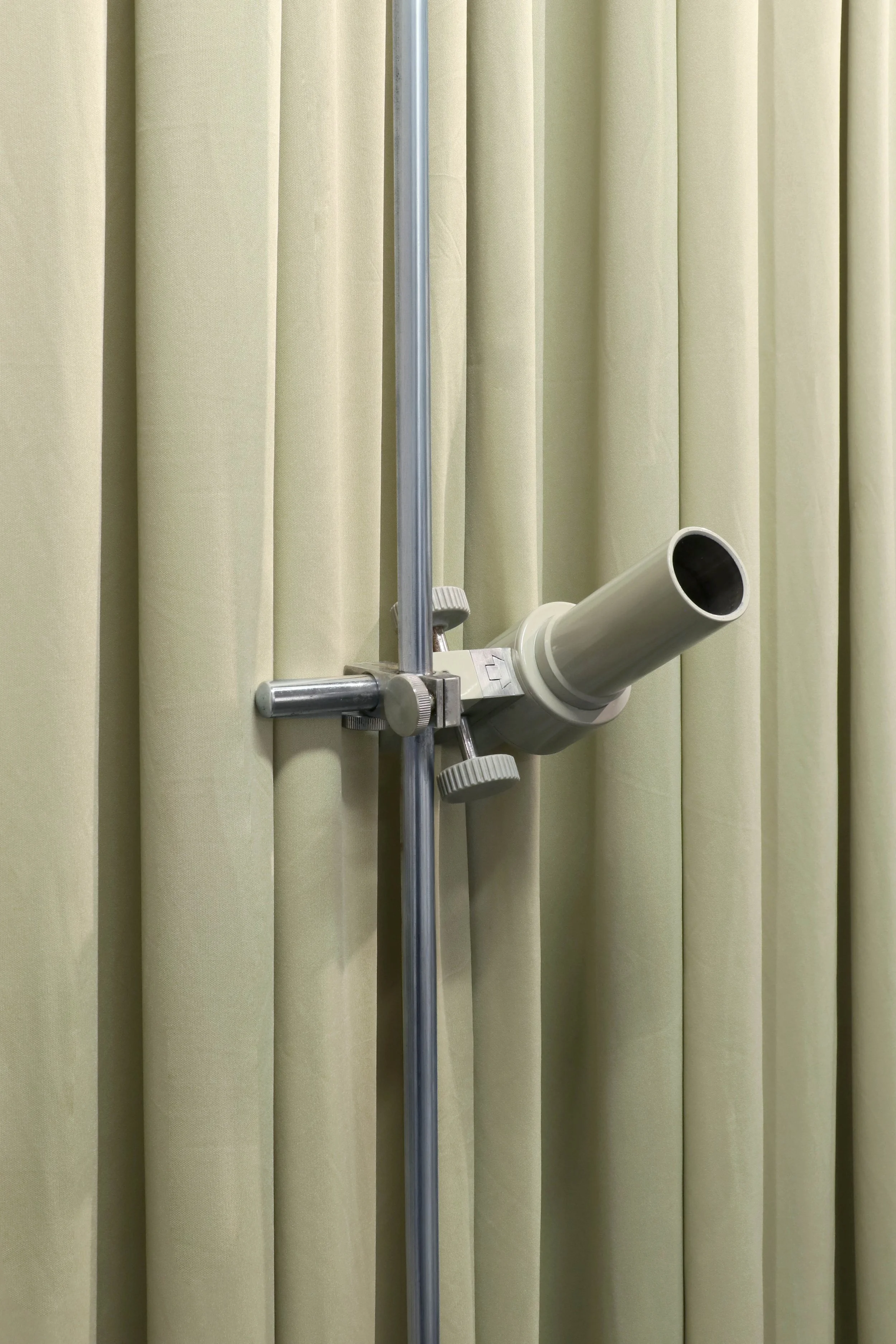
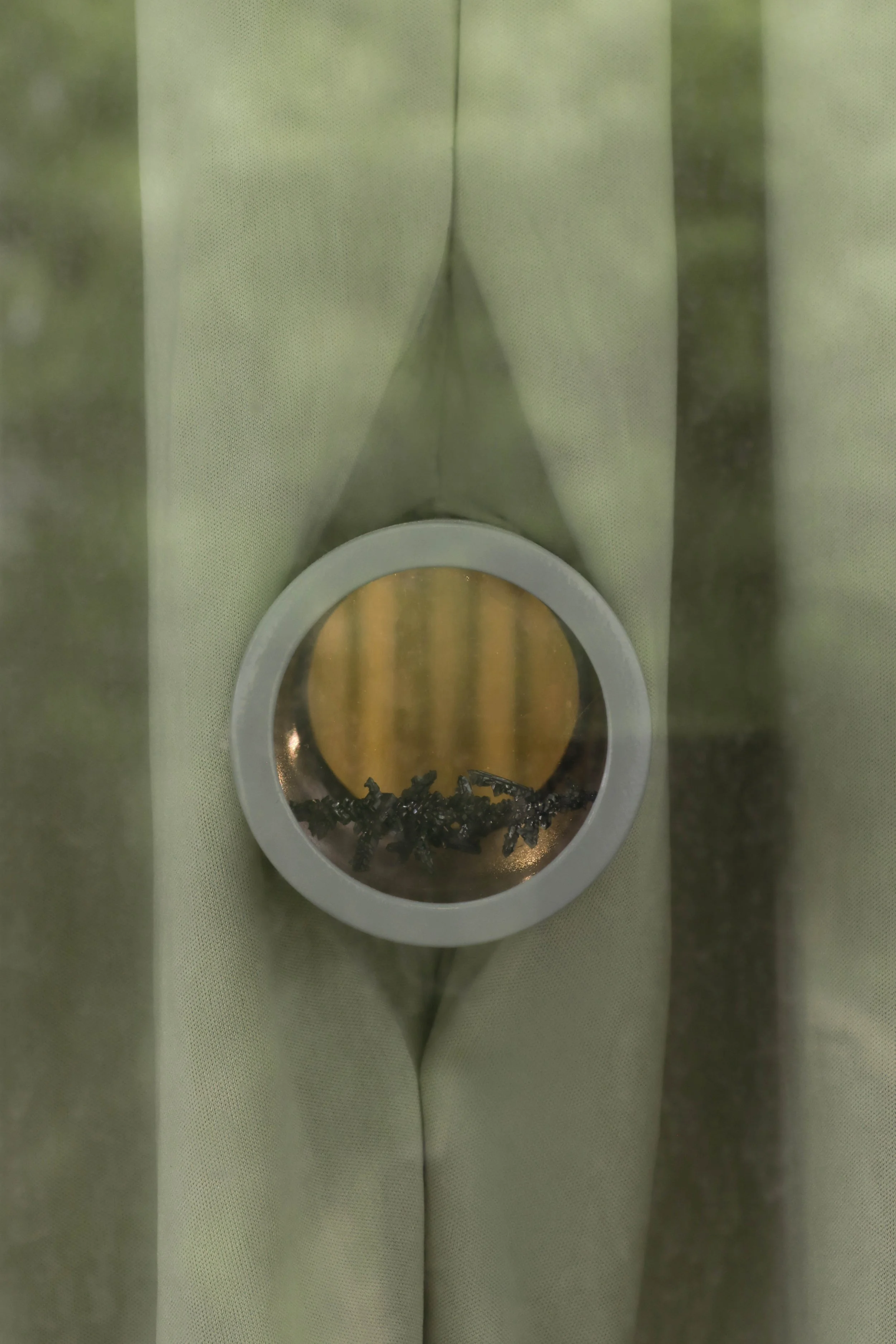
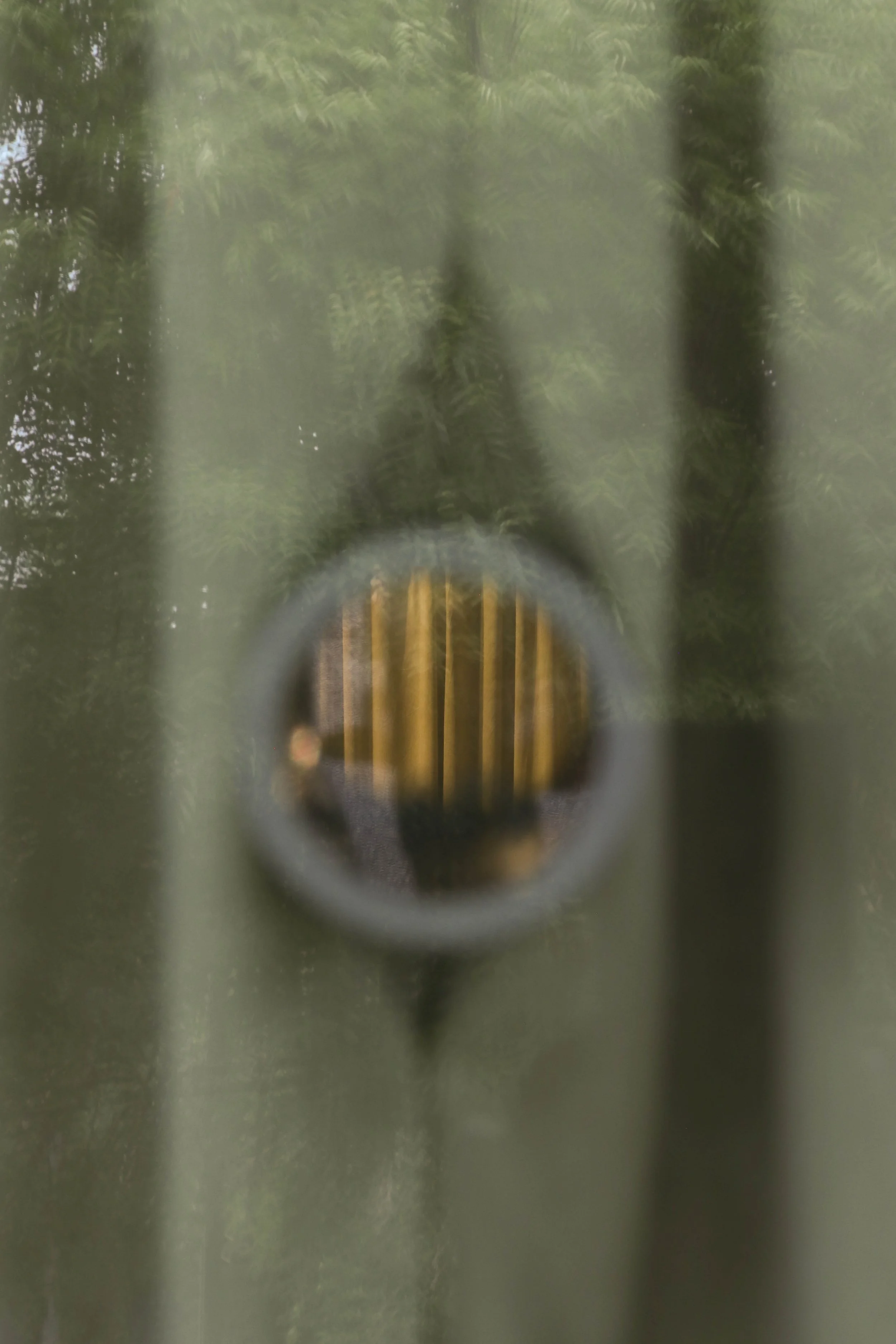
The Archive / 2026 / plastic, aluminum, steel, paper, paint, ink
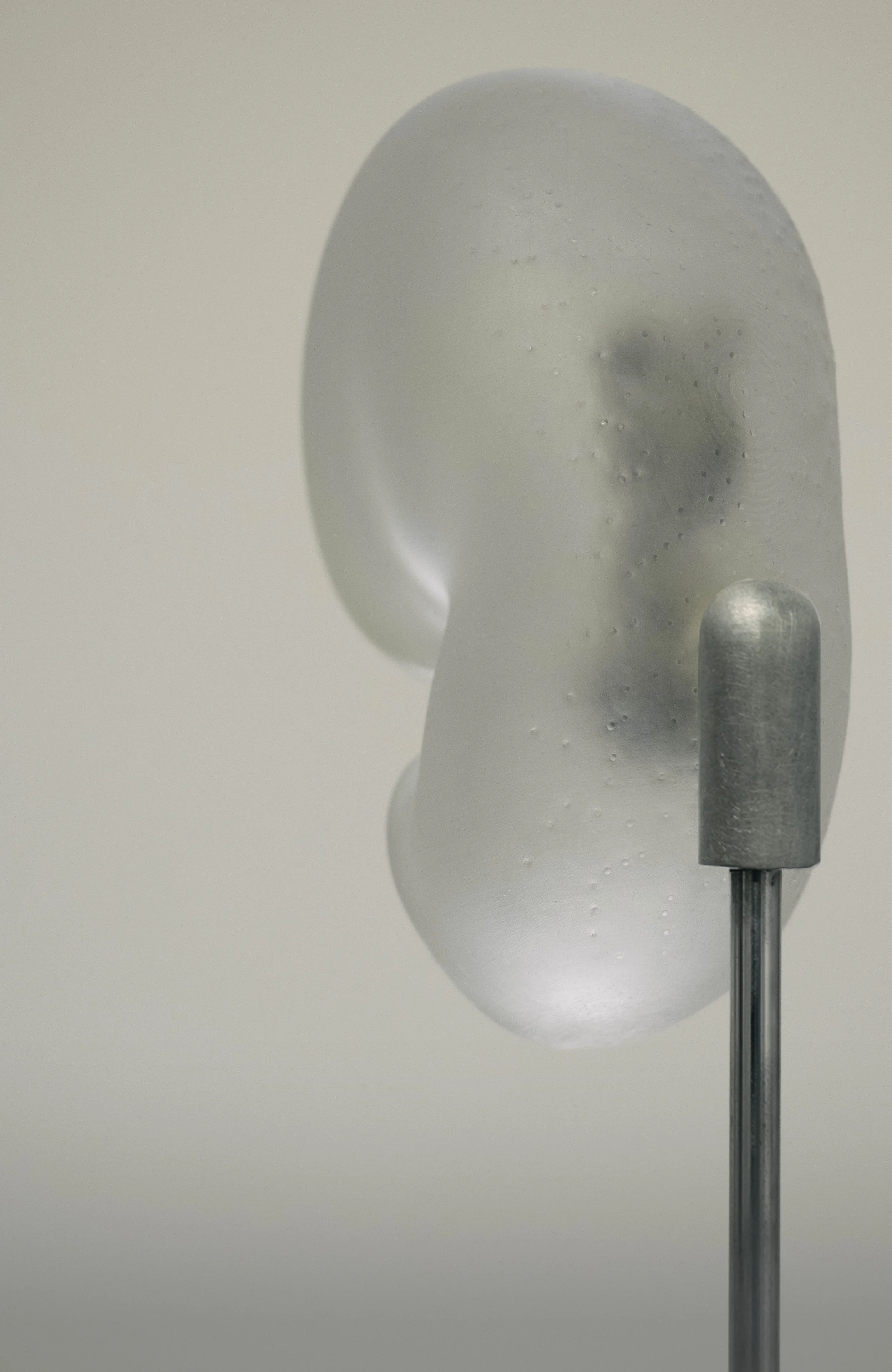
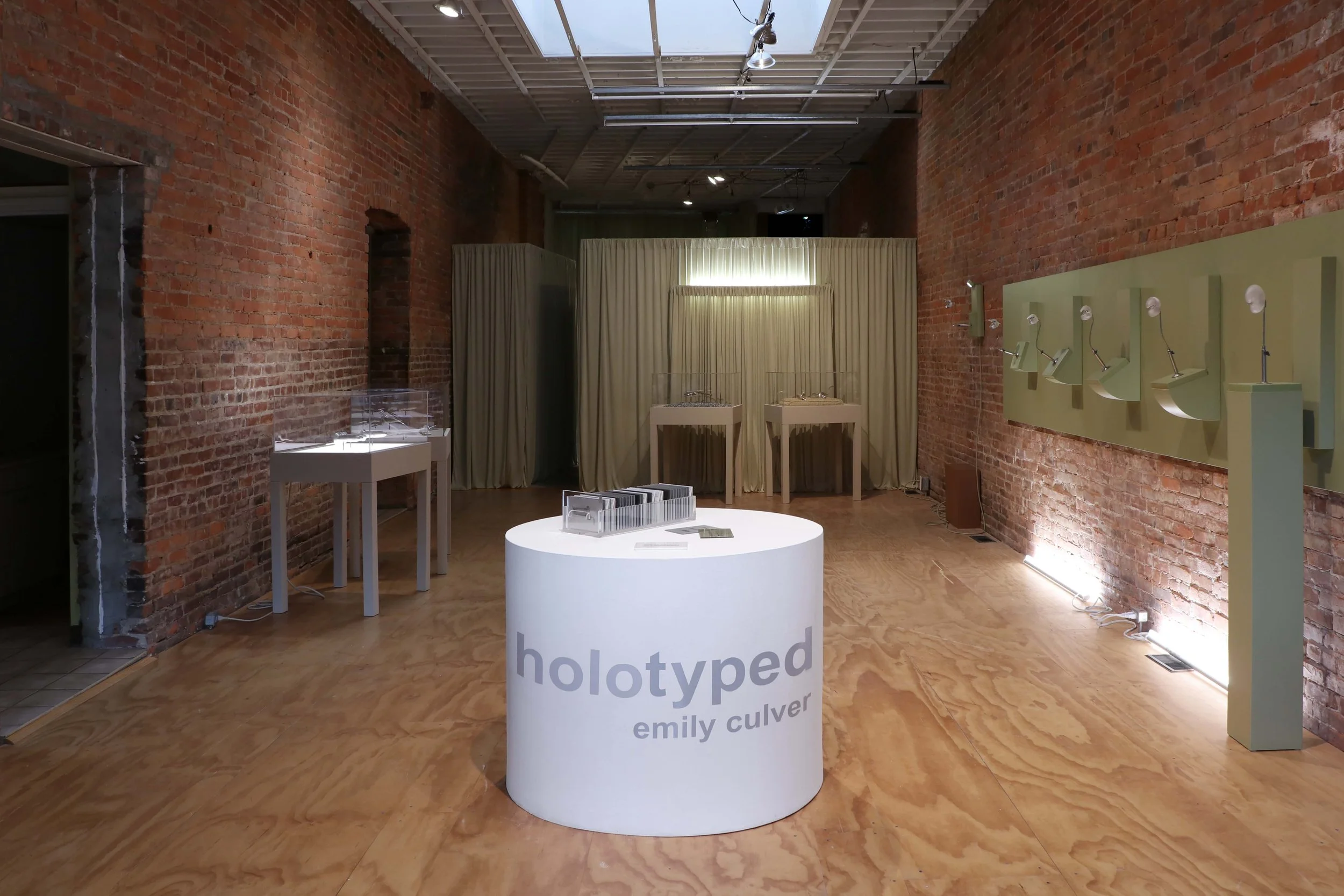
Holotyped examines the systems through which bodies are classified, interpreted, and transformed into knowledge. Borrowing its title from biological taxonomy, this exhibition considers the holotype - the singular specimen selected as the definitive example of a species - as its conceptual point of departure. This designation establishes an order through which other bodies can be identified, compared, and understood. Within this framework, difference becomes legible through its relationship to an established type.
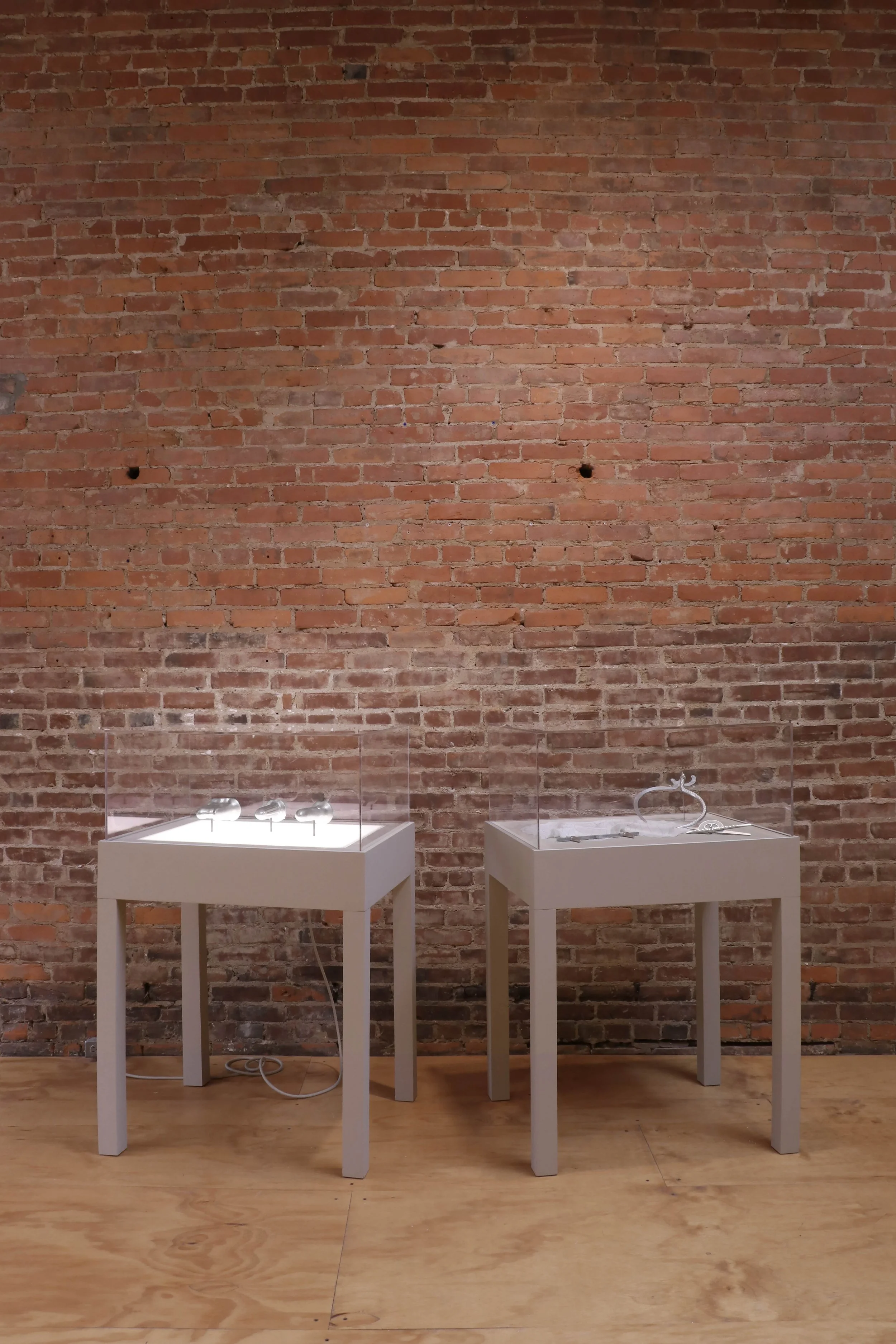
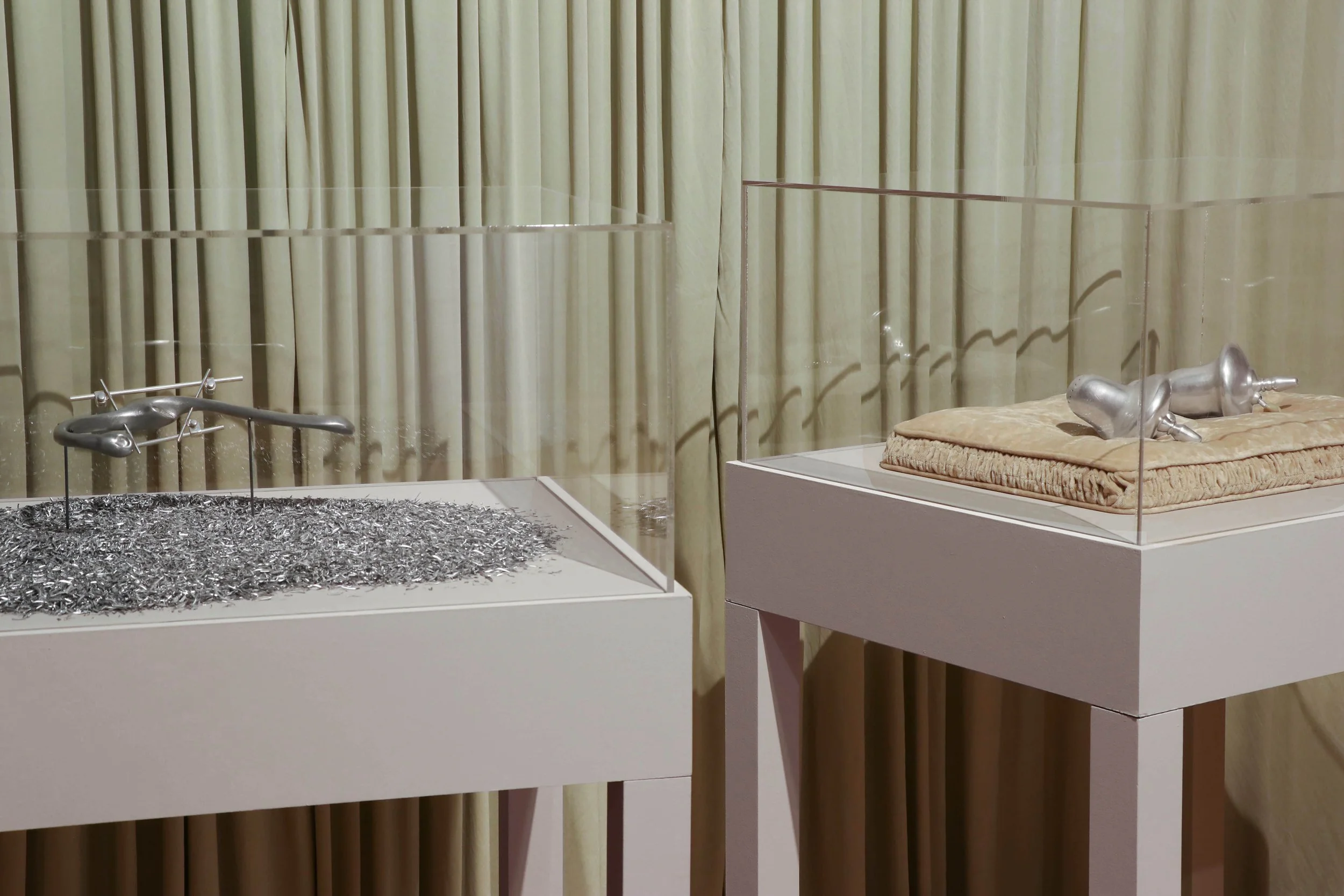
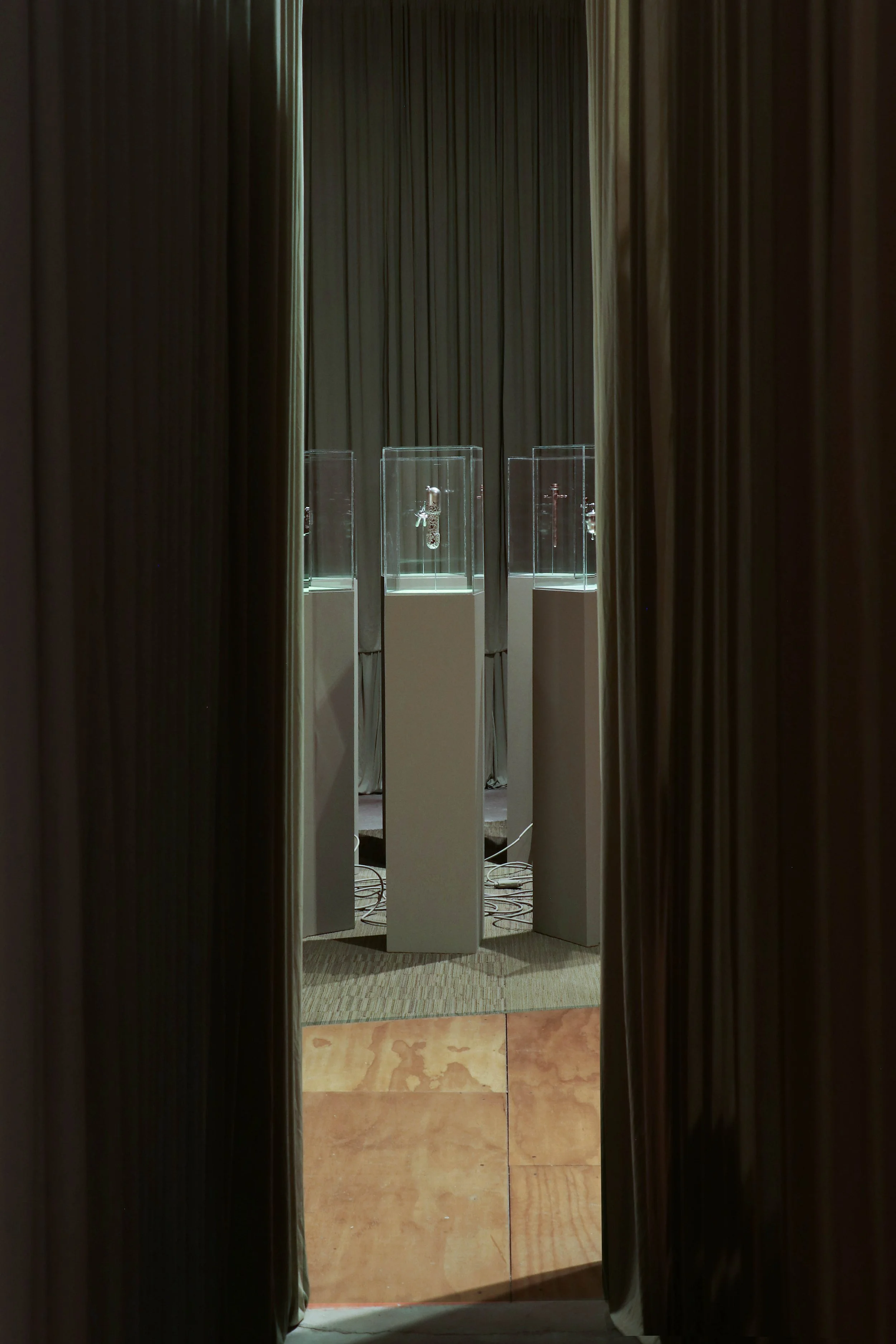
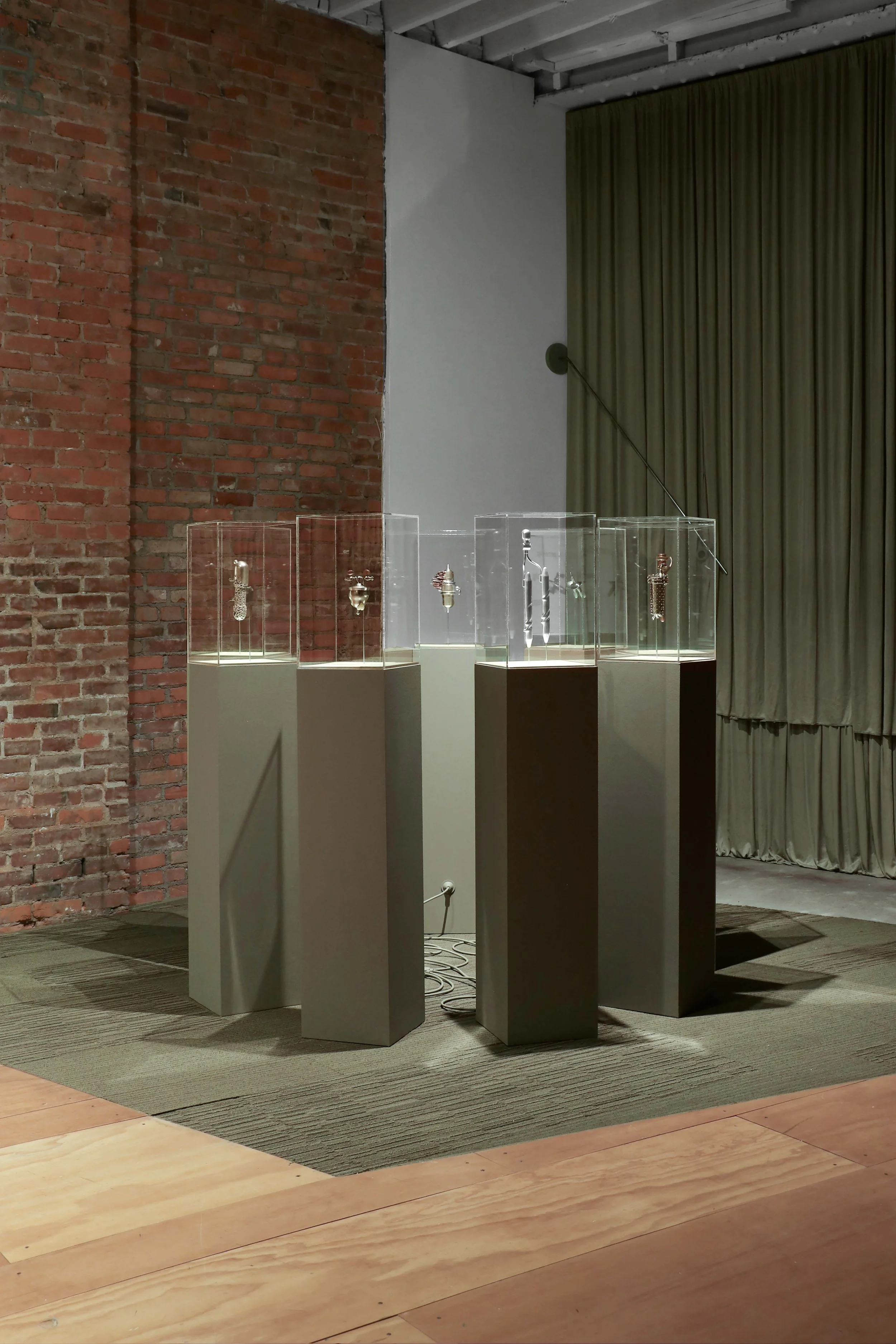
Culver’s new body of sculptural works draws from medical illustration, natural history, evolutionary biology, and the history of medicine. Vestigial anatomy, inherited material, reimagined tools, and speculative hybrids resist a singular ontology, shifting between organism, artifact, diagram, and evidence. Their forms suggest histories of transmission and transformation while questioning the stability of distinctions between species, sex, structure, and specimen.
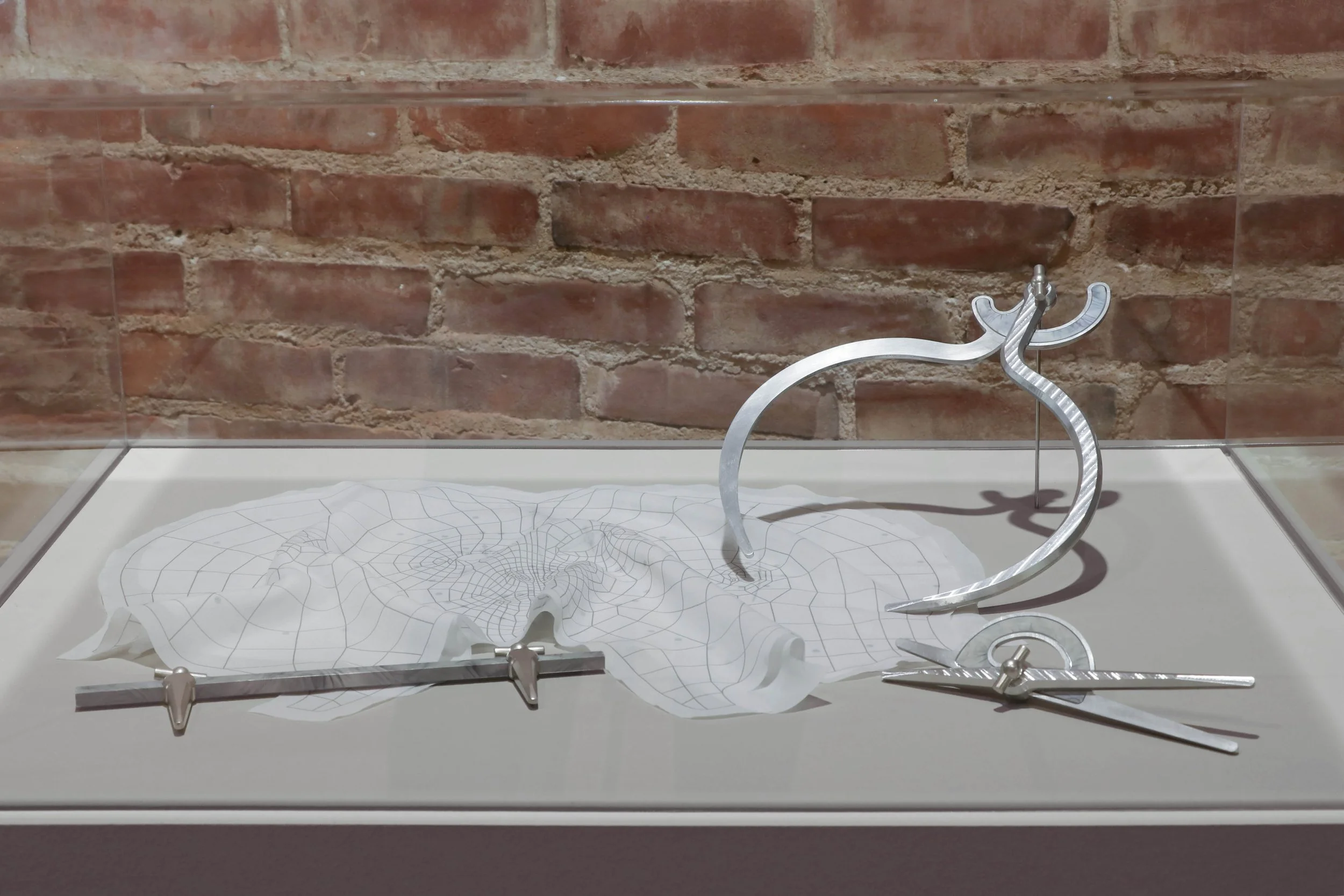
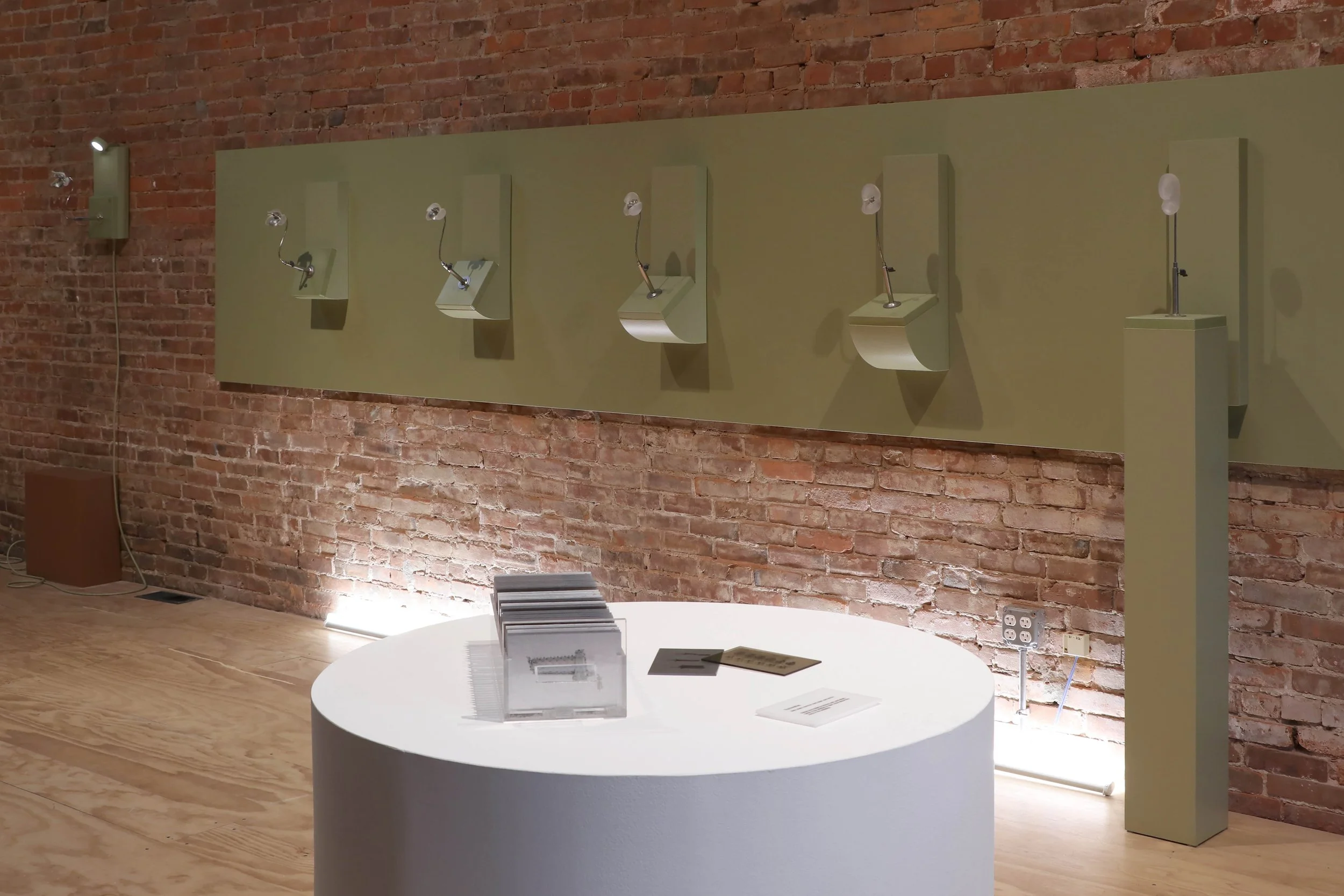
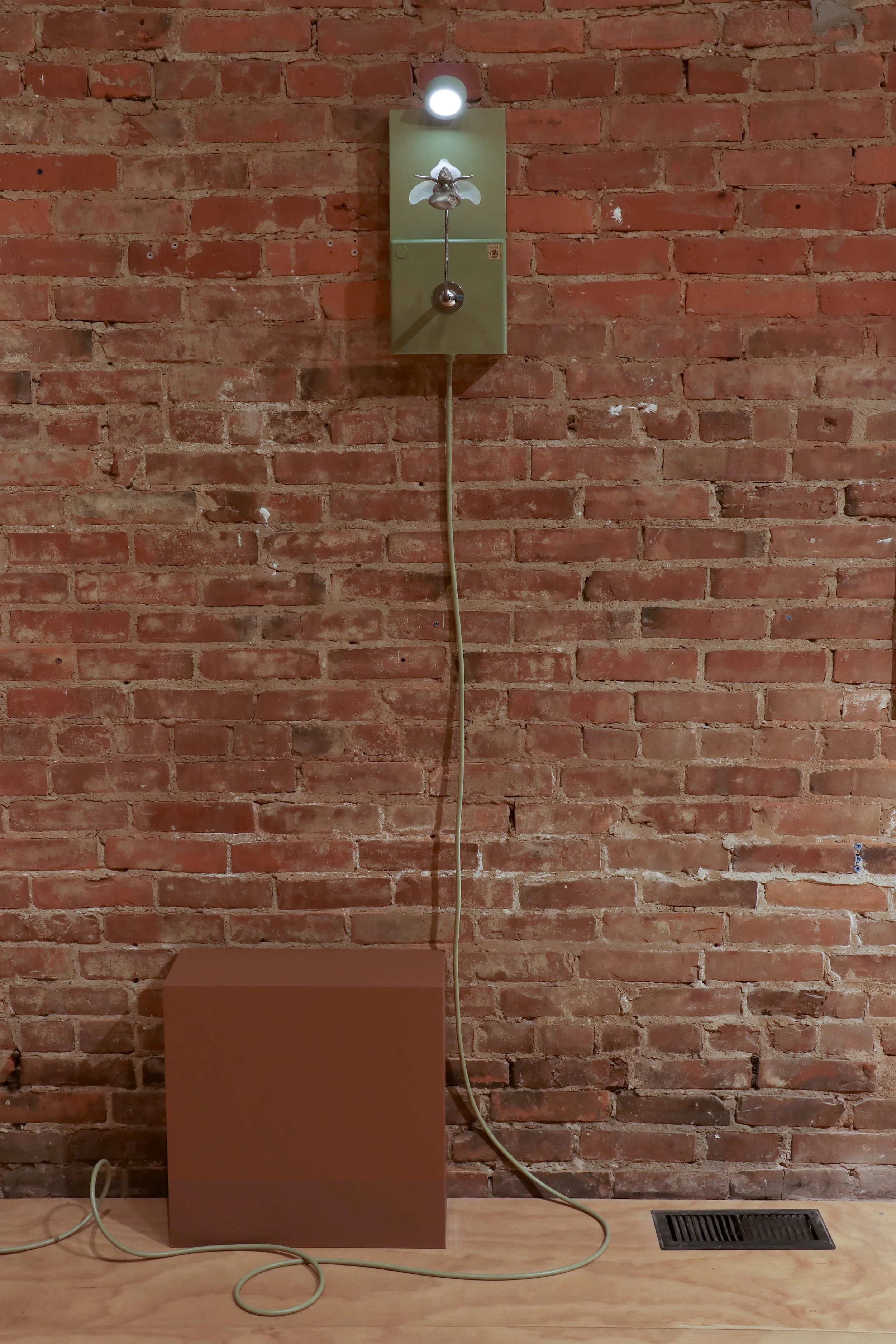
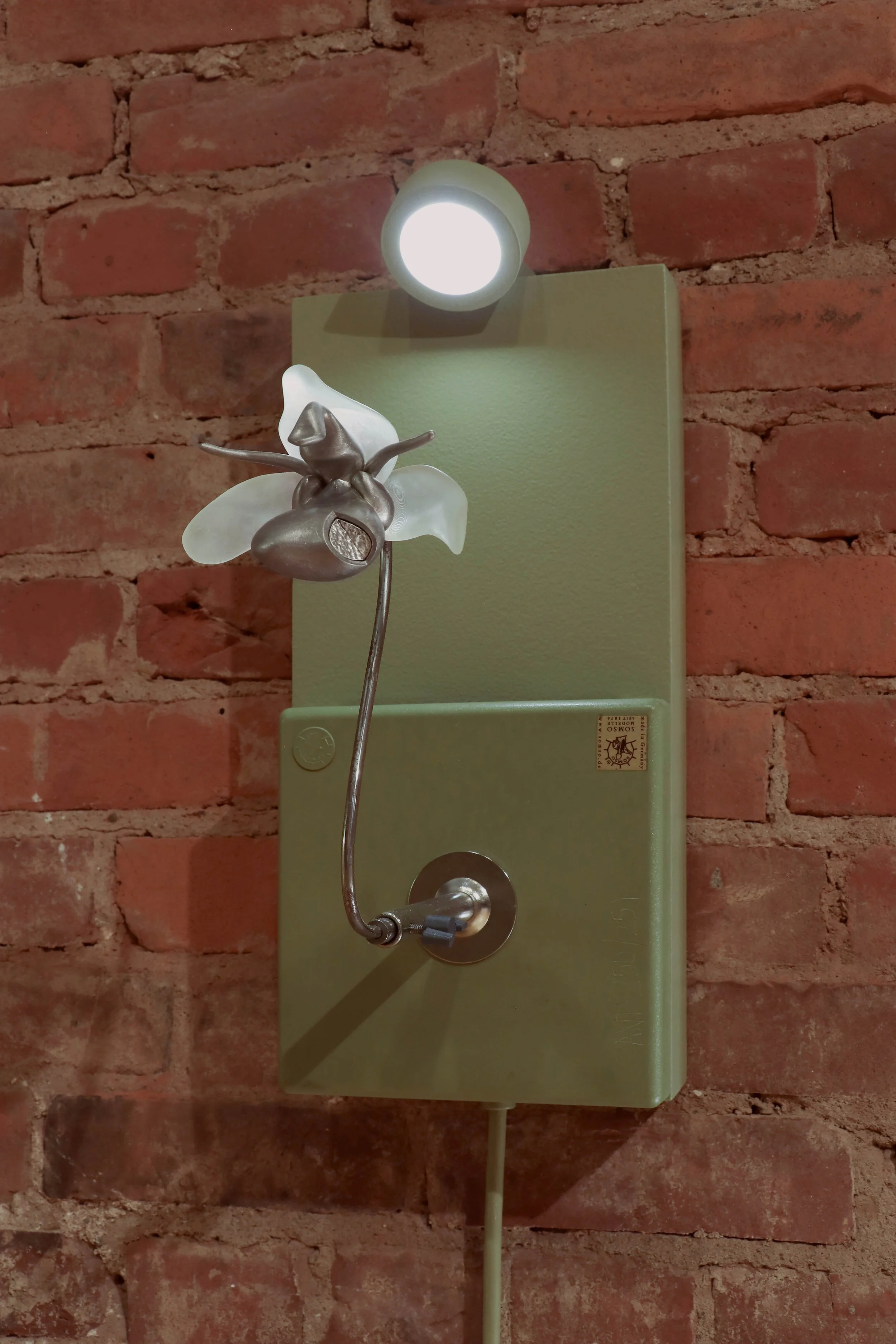
Rather than treating anatomical diagrams, scientific models, and medical instruments as neutral records of the body, Holotyped considers how these systems participate in producing knowledge about it. Through observation, measurement, naming, and repetition, representations can transform assumptions into standards and variety into deviation. The exhibition considers what happens when those standards are disrupted: when the specimen becomes hybrid, the diagram becomes unreliable, and the body exceeds the categories made to contain it.
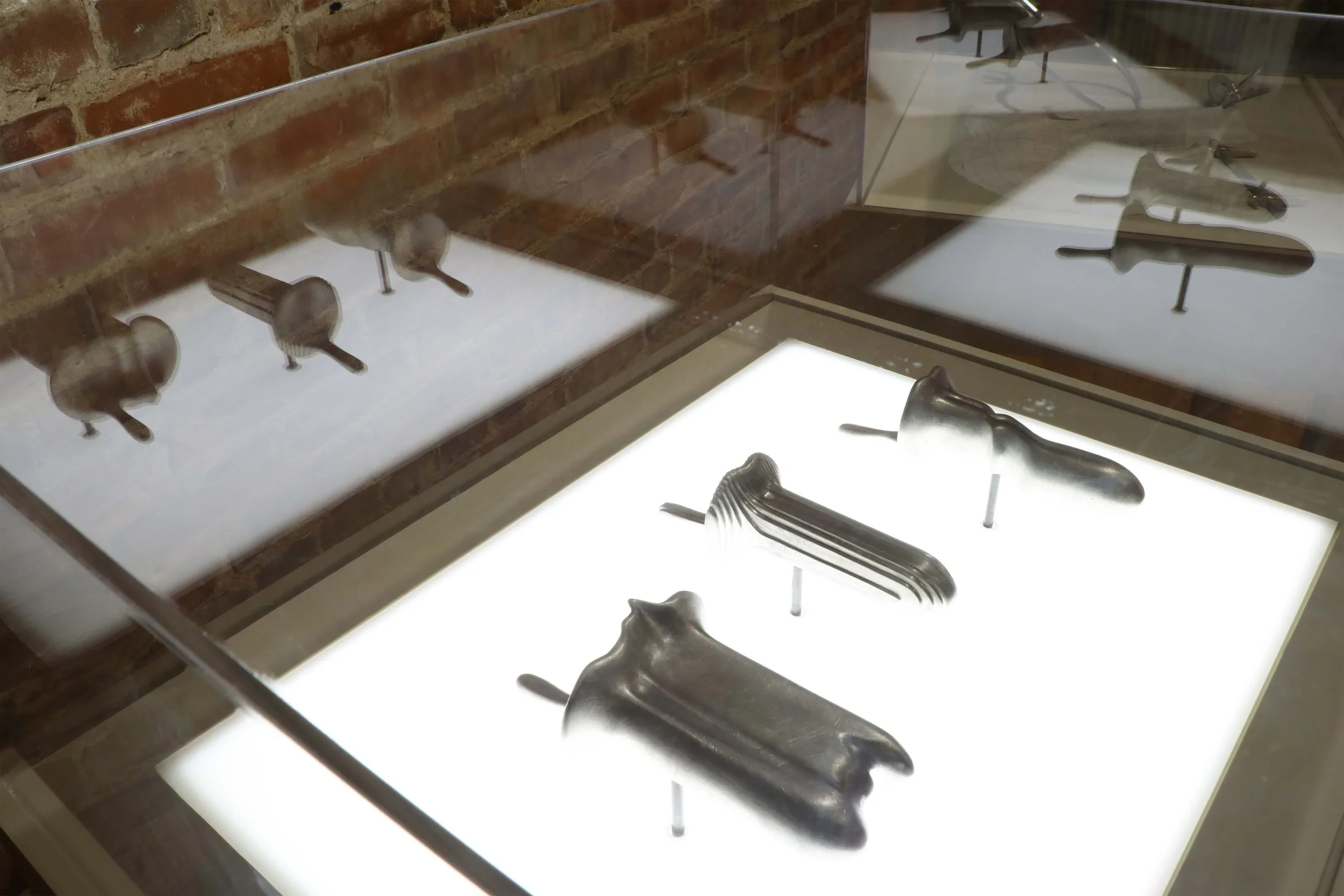
Culver’s work lingers in a space of uncertainty. Error, mutation, and ambiguity are not presented simply as failures to conform, but as points where systems of knowledge become visible. Holotyped proposes an anatomy that remains unresolved - one that reveals the limitations of the structures built to classify and contain it.
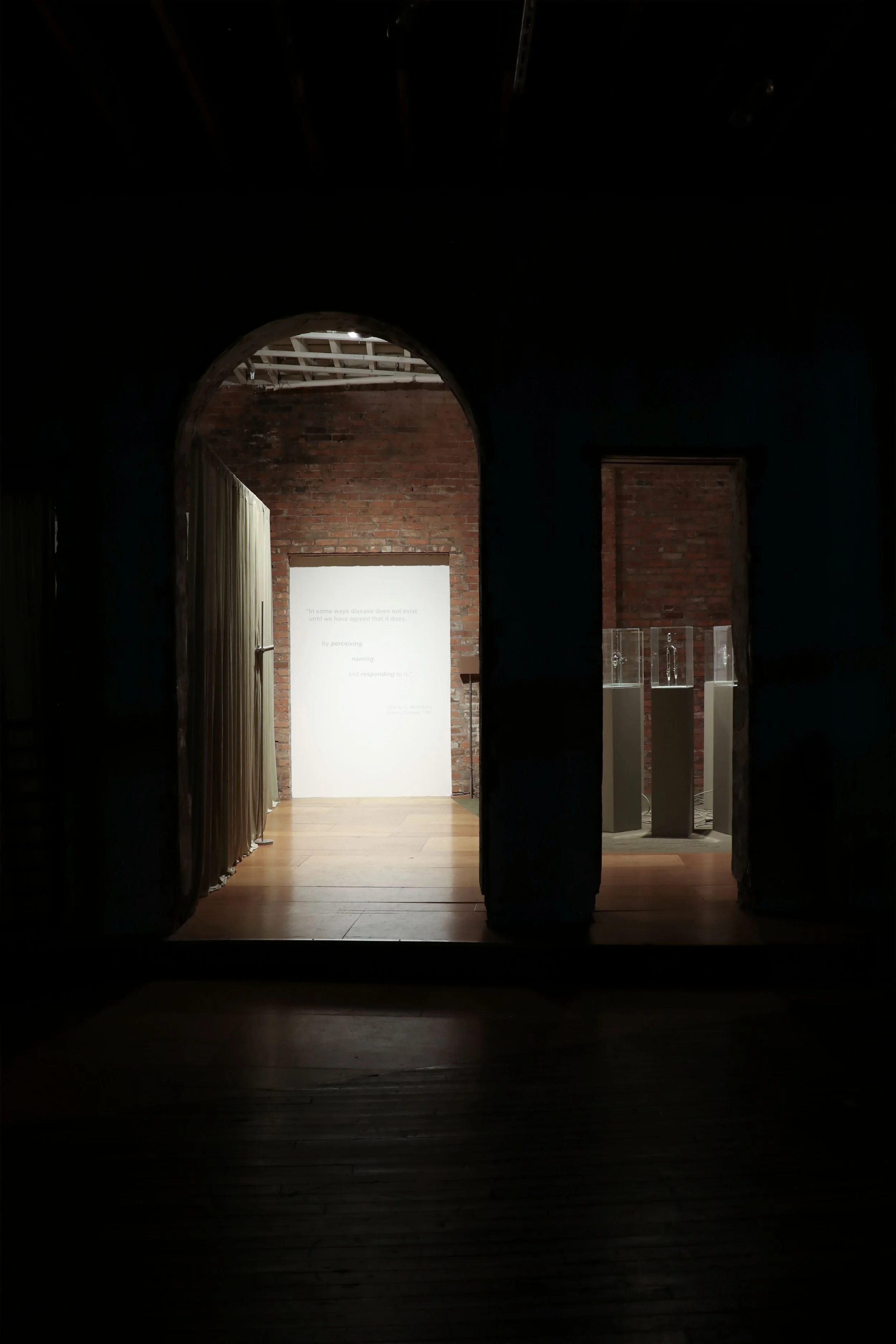
“In some ways disease does not exist until we agree that it does by perceiving, naming, and responding to it.”
-Charles E. Rosenberg, Framing Disease, 1992
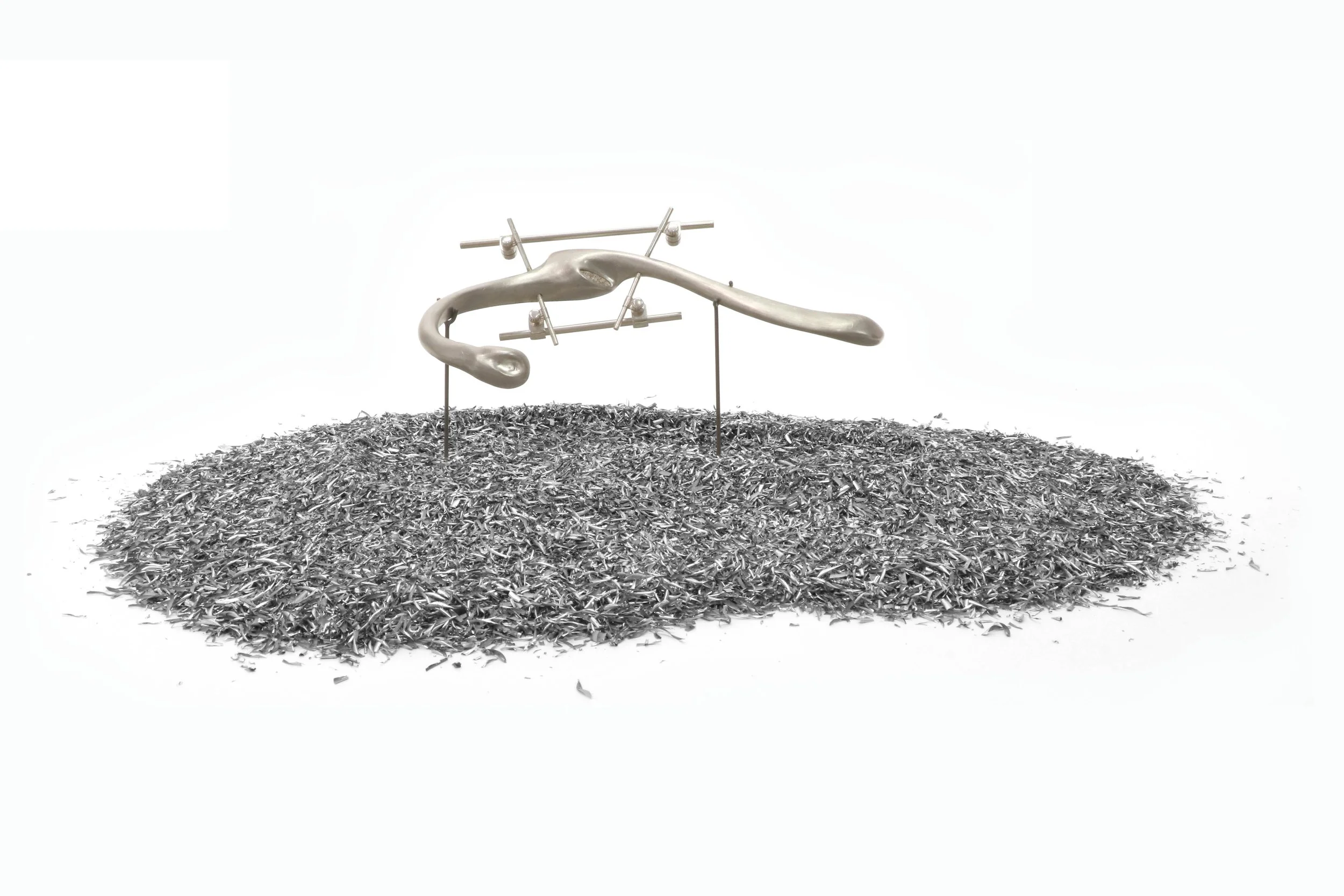
01
01
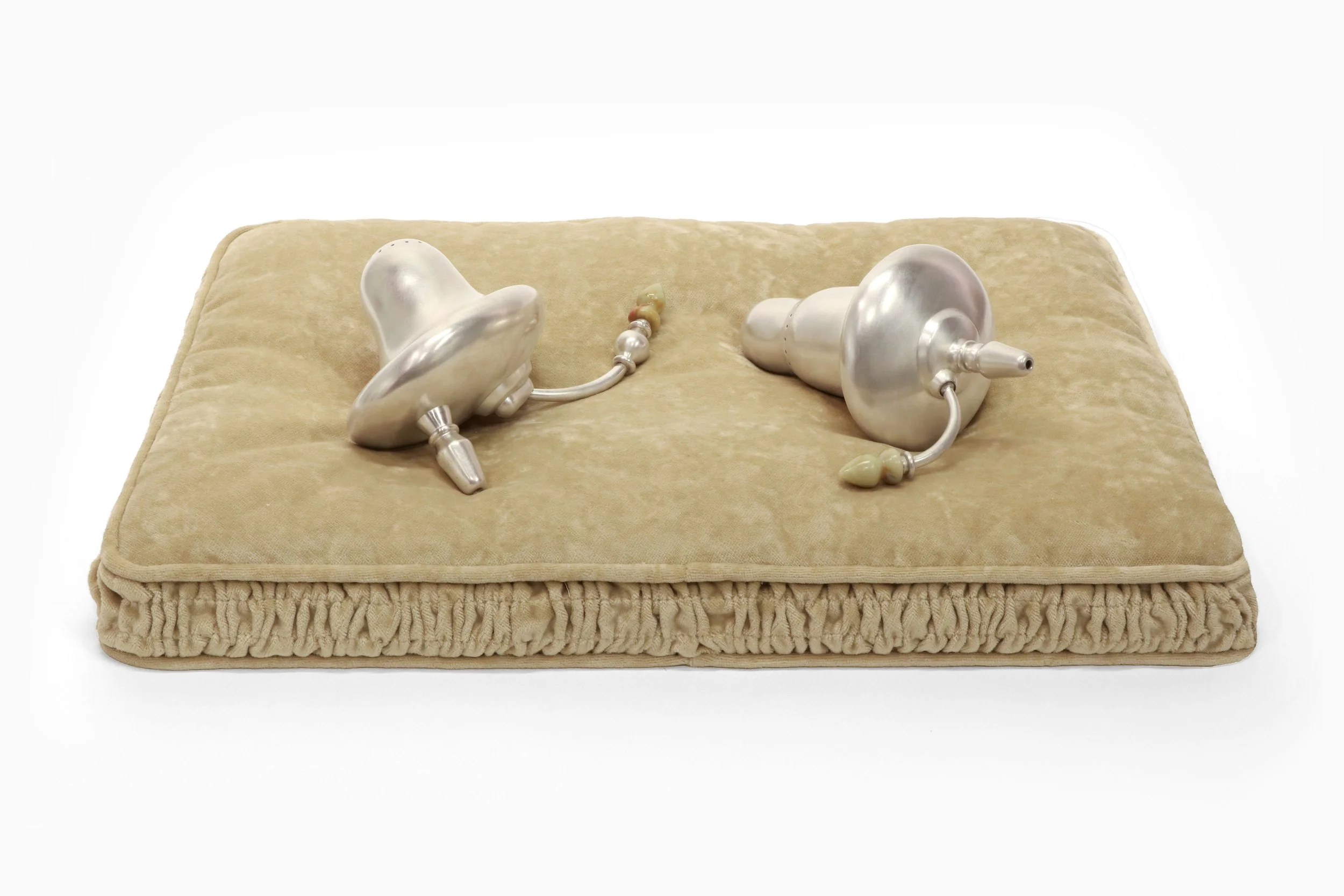
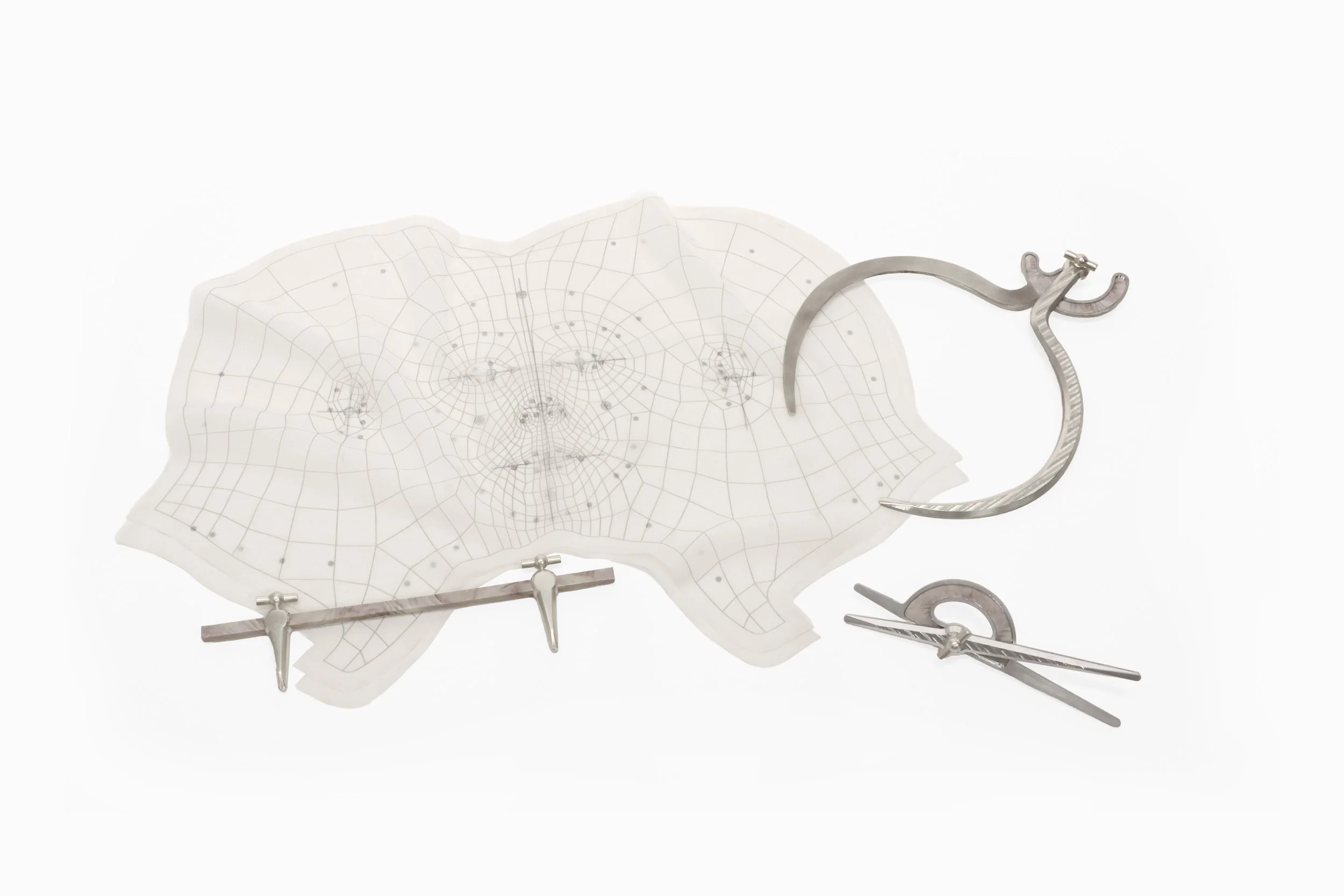
02
02
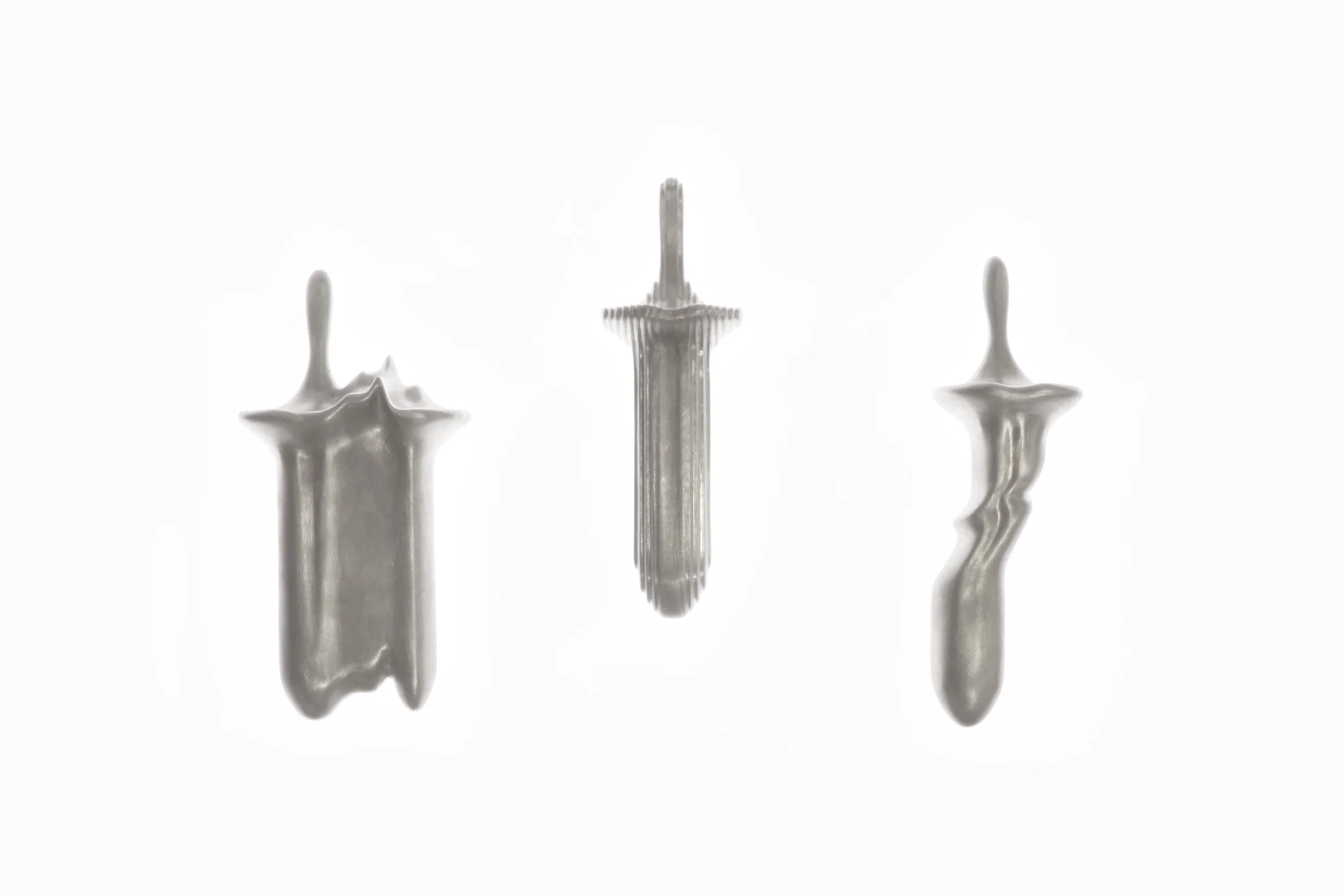
03
03
04
04
e
b
03
c
g
01
h
a
05
05
d
f
06
07
01 / Adam’s Baculum / 2025 / cast pewter, silver, fossilized dinosaur bone, aluminum / 10.5” x 4.5” x 1.75”
02 / Inheritance (retroverted uteri) / 2023 / silver plated copper, hand carved stone, velvet / 5-7” x 4” x 4-5.5” each
03 / Control Points / 2026 / aluminum, fabric, plastic, texture mapped image of skin / 7.25-11” x 2-9” x .75-1.25”
04 / Error 404_Speculums for a Glitching Womb / 2025 / cast pewter, pewter spoon / 8-8.5” x 2.5-4” x 2.5” each
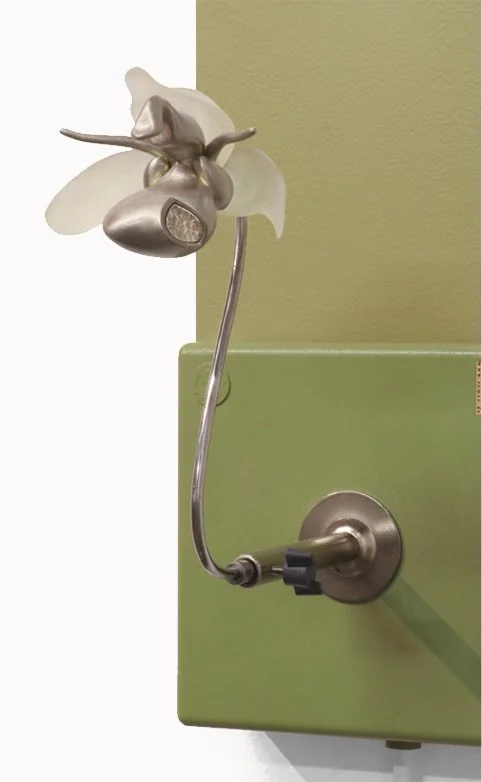
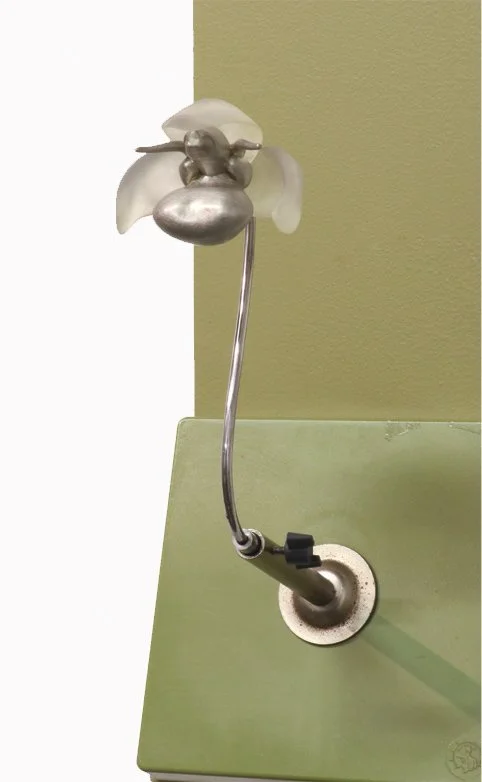
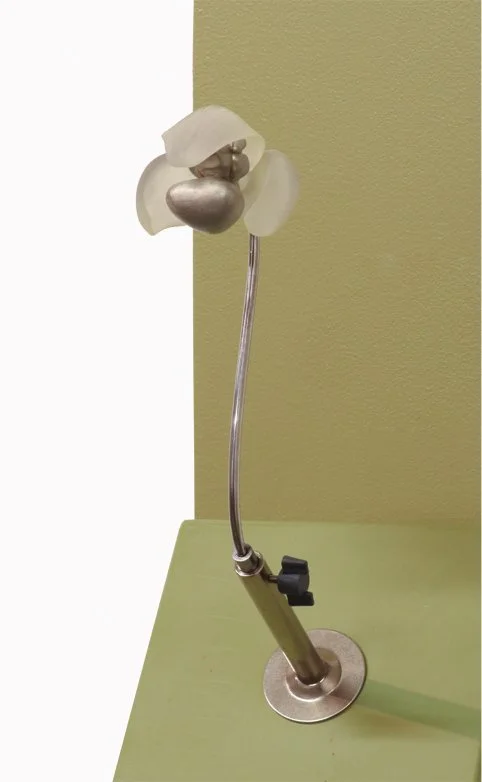
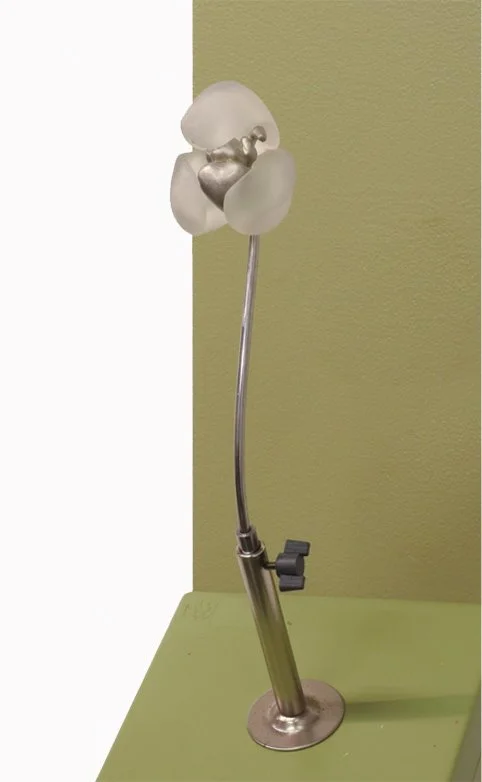
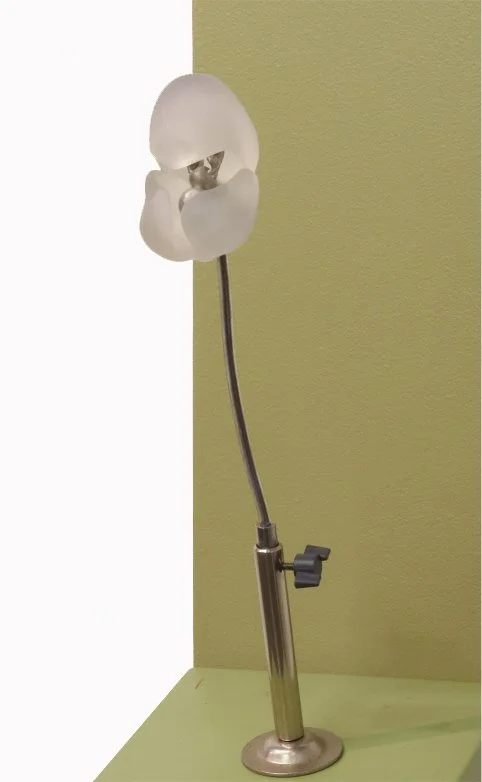
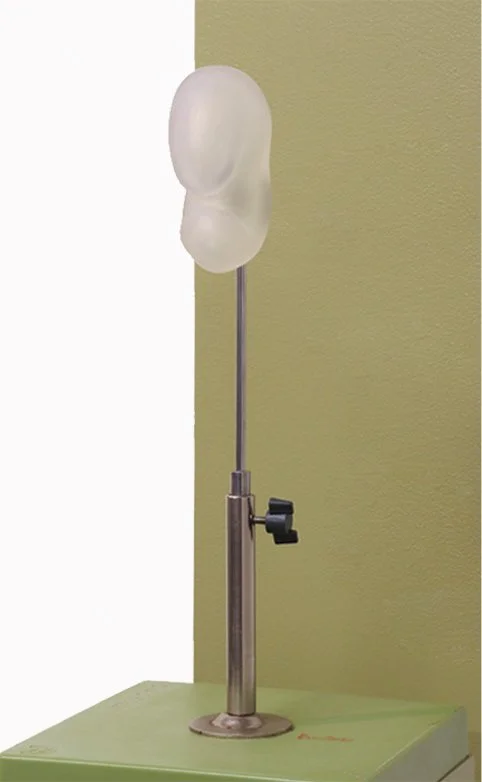
05 / Homo x orchideum / 2026 / cast pewter, flexible photopolymer, steel, plastic, anatomy stands / 7.25” x 11” x 15-64” each
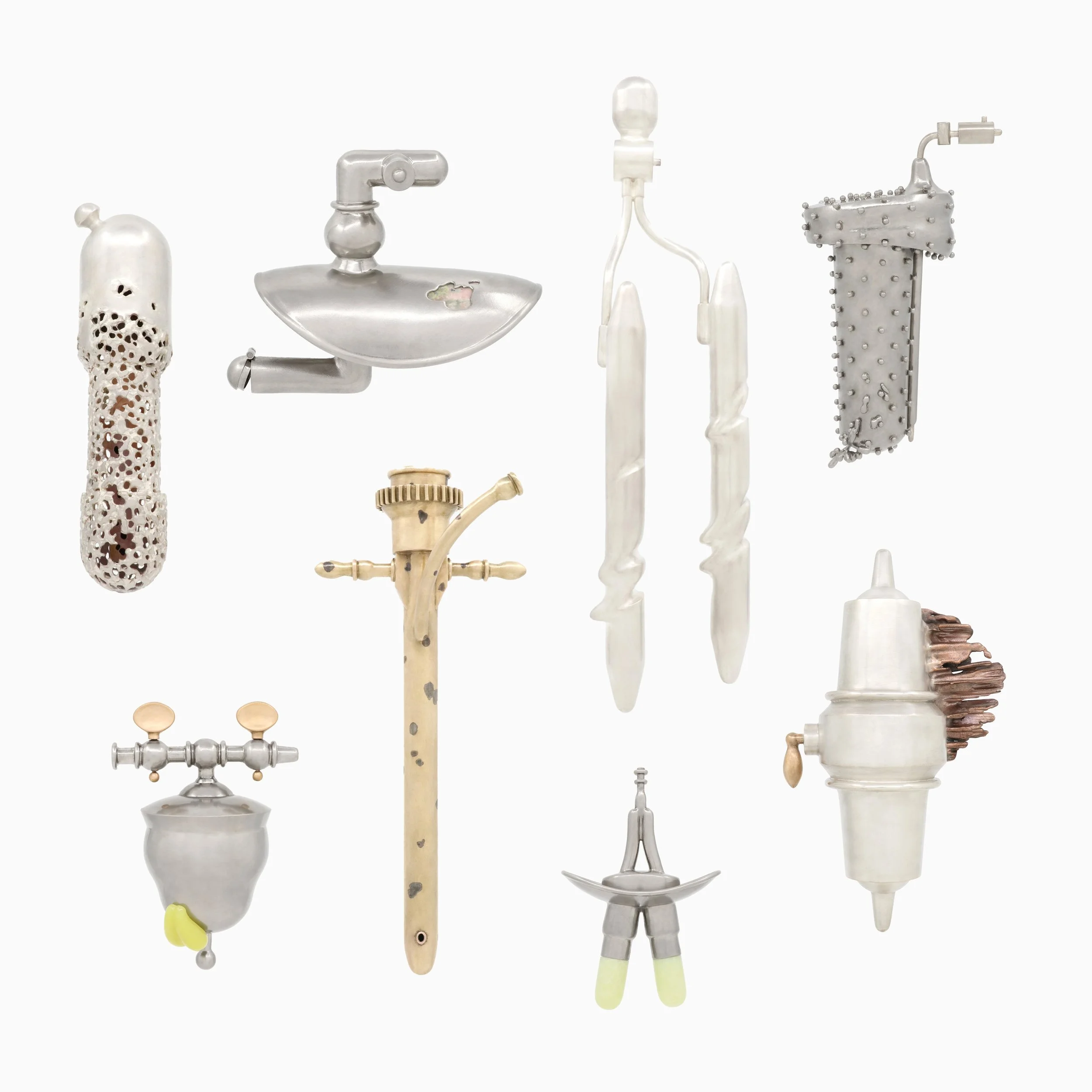
06 / Vestiges of the Decline I-VIII
a / Vestige of the Decline I / 2023 / nickel plated copper, hand carved stone / 4.5” x 3.25” x 1.5”
b / Vestige of the Decline II / 2023 / nickel plated copper, cast bronze, hand carved stone / 5” x 4” x 2.75”
c / Vestige of the Decline III / 2023 / nickel plated copper, hand carved stone / 5.25” x 3” x 5”
d / Vestige of the Decline IV / 2023 / nickel and silver plated copper / 7” x 3.5” x 2.75”
e / Vestige of the Decline V / 2024 / silver plated cast bronze and copper / 7.5” x 2” x 1.75”
f / Vestige of the Decline VII / 2026 / silver plated copper, cast bronze / 7.25” x 4.25” x 2.5”
g / Vestige of the Decline VII / 2024 / nickel and brass plated copper / 9” x 2.5” x 3.5”
f / Vestige of the Decline VIII / 2024 / silver plated cast bronze and copper / 13.5” x 3” x 1”
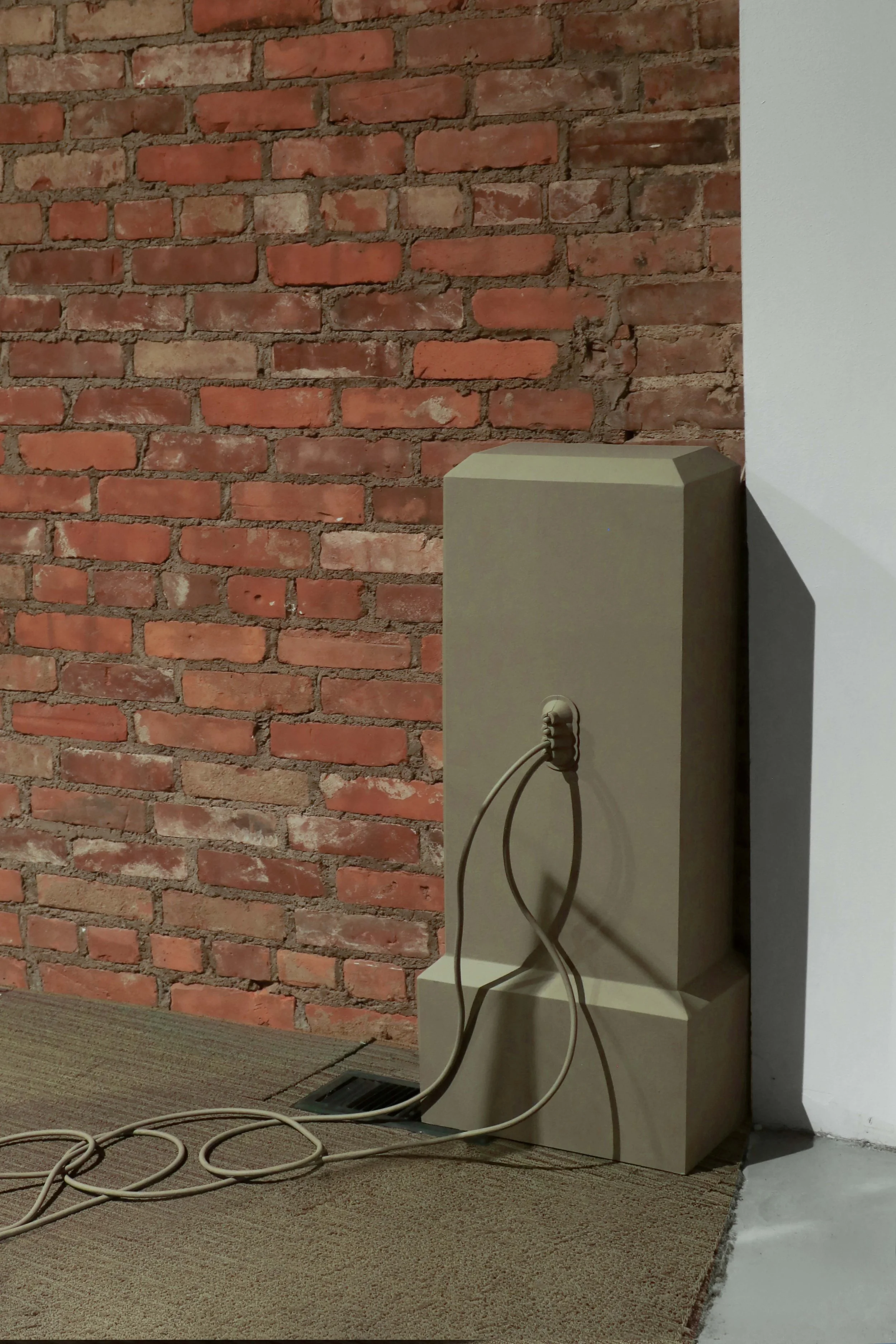
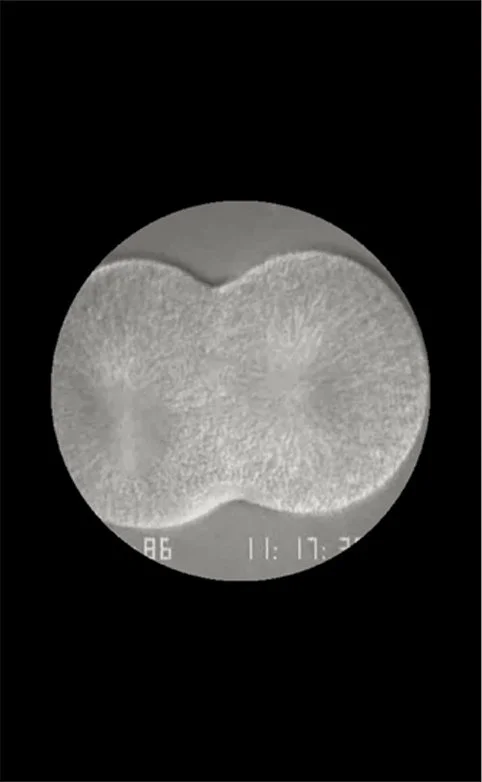
07 / Before the Type / 2026 / video, viewing devices, steel, plastic, wood, electronics, vanadium / dimensions variable